


What Makes Event Sponsorship Packages Convert Better
Most event sponsorship packages create a proof problem that surfaces months after the event. If your packages still lead with logos, banners, and vague exposure, sponsors end up with too little they can defend when their internal teams ask what the spend produced.
Exhibition organizers know this cycle well. A PDF prospectus goes out, the team sells what is available, and sponsor return on investment (ROI) gets discussed only after the event closes. That routine leaves too much revenue on the table, especially when sponsors are under pressure to prove lead quality and renewal value to internal teams.
The better approach is to design sponsorship around measurable outcomes from the start. That means removing low-conviction visibility items, packaging inventory around attendee engagement signals, and giving sales teams proof they can use before the renewal call.
Key takeaways:
- Event sponsorship packages convert better when they sell measurable sponsor outcomes, not generic visibility
- First-party event data gives organizers stronger pricing logic and better sponsor ROI reporting
- Low app adoption weakens matchmaking, lead capture, and sponsor conversion potential before sales even starts
- Package architecture should combine digital, onsite, and networking inventory with different proof points
- Renewal depends on proving exhibitor ROI with data, not sending a manual recap deck after the event
- Manual sponsorship selling limits scalable monetization because every package becomes a custom negotiation
Why visibility-only packages fail
Visibility-only packages fail because sponsors can no longer justify spend with logo placement alone. Many organizers sell sponsorship inventory they can describe rather than outcomes they can defend. In a market where revenue generation and exhibitor ROI shape every serious renewal conversation, vague exposure gives sponsors little to show at renewal.
Sponsors are buying internal proof, not event presence
A sponsorship director may love the audience, the show floor, and the brand fit, but that is rarely enough anymore. Back at the office, the exhibitor marketing lead has to explain what the spend produced: which buyers engaged, which meetings happened, which leads entered the customer relationship management (CRM) system, and whether the show deserves next year's budget. That is where logo-heavy packages start to fall apart.
This does not mean visibility has no value. Brand awareness still matters, especially for category leaders, product launches, and association partners with long sales cycles. The mistake is treating visibility as the package, rather than one layer inside a larger sponsor value proposition.
Manual selling turns every package into a one-off promise
Manual sponsorship selling often feels flexible, and for a while, it works. A sales manager adjusts the bundle, adds a sponsored session, swaps a banner for a push notification, and builds the deal around the sponsor's goals.
The problem shows up at scale. When every package lives in a spreadsheet, every promise needs manual tracking, and every post-event recap depends on someone reconciling registration, lead capture, and session data. By the third renewal cycle, the team spends more time tracking what was promised than actually selling.
Sell measurable outcomes instead
Measurable sponsorship packages convert because they give sponsors a clear reason to buy and a better reason to renew. Instead of selling "premium exposure," organizers can package guaranteed deliverables around access, engagement, meetings, and reporting. That shift makes the conversation more commercial and far easier for sponsors to defend internally.
Build packages around sponsor goals first
The strongest packages start with a plain question: what does this sponsor need to prove after the event? Some sponsors need qualified meetings with hosted buyers. Others need product demo traffic, category awareness, session attendance, or lead capture tied to specific attendee segments. The package should reflect that goal, not force every sponsor into gold, silver, and bronze logic.
A useful audit starts with three checks:
- Remove items that cannot be measured: If the team cannot show delivery or engagement, the item belongs in a brand awareness add-on, not a core package
- Separate access from attention: Hosted buyer meetings, VIP roundtables, and invite-only sessions create a different value than banner ads
- Define proof before pricing: If reporting cannot show what happened, sales will struggle to defend the premium
Replace vague deliverables with measurable engagement signals
Sponsor value propositions become stronger when each deliverable creates a signal. A sponsored push notification can show opens or clicks. A sponsored session can show registrations, attendance, and Q&A activity. A Marketplace profile can show views, saves, and lead handoffs. These are the raw signals that make sponsor ROI reporting credible.
This is where the new sponsorship model matters. It pushes organizers away from selling static visibility and toward value that can be tracked before, during, and after the show. Those signals matter differently to different sponsors. A brand team may prioritize reach, while a demand generation team will scrutinize exhibitor lead quality. The package should make that distinction visible.
Price premium packages around confidence
Premium pricing works when the organizer can show why the package has a higher chance of producing the desired outcome. Intent data and attribution confidence support stronger pricing logic. Without those ingredients, premium tiers often look like the same inventory with more logos attached.
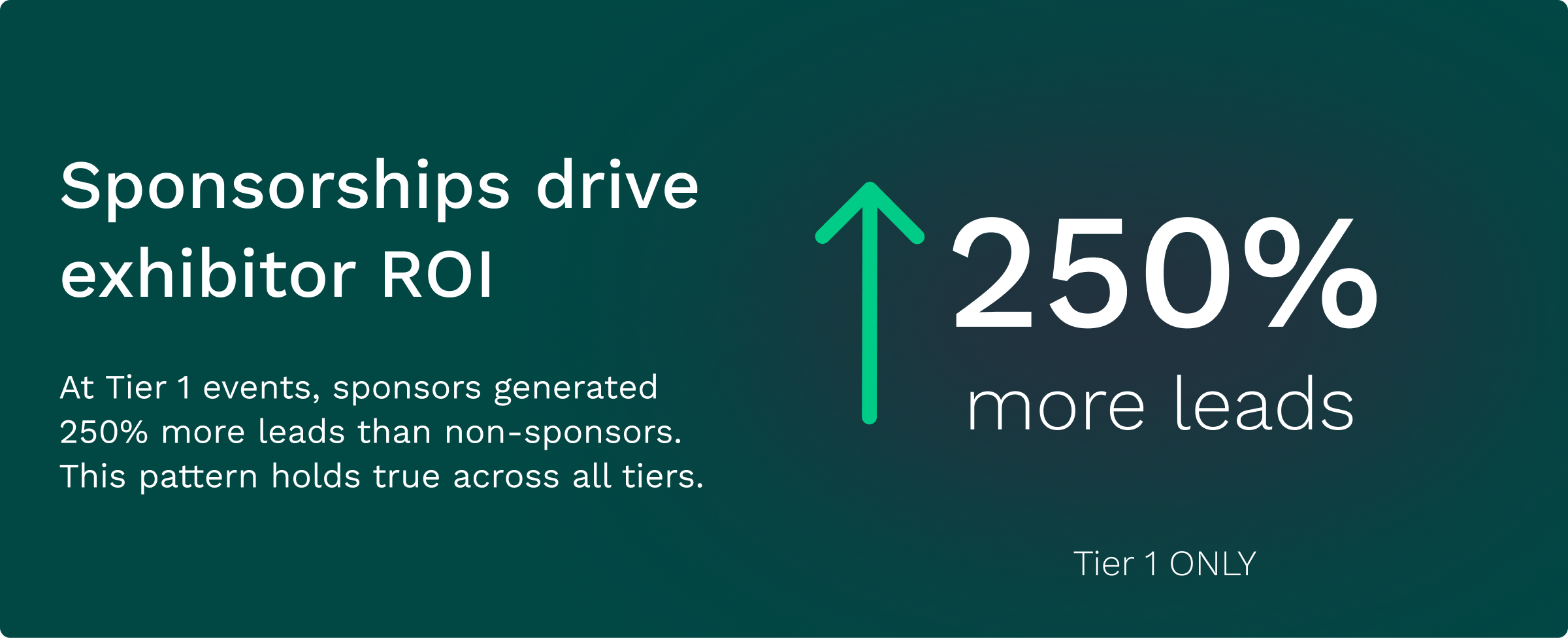
For example, a hosted buyer package has stronger pricing power than a generic networking sponsorship because the sponsor is buying vetted access, curated meeting slots, and a clearer path to qualified conversations. The same logic applies to sponsored sessions, lead capture upgrades, and digital placements that connect to attendee engagement signals. Pricing rises when proof gets sharper.
Build inventory around data access
Sponsorship inventory works harder when every item creates or captures first-party event data. Digital, onsite, and networking placements should form a connected package where each touchpoint adds evidence of sponsor value.
Design digital inventory for year-round discovery
Digital sponsorship inventory should not disappear when the closing keynote ends. Marketplace profiles, Item Gallery, sponsored content, push notifications, home and banner ads, and paid sessions can all keep sponsors visible across a longer engagement cycle. What makes them valuable is that each creates a measurable trace of behavior.
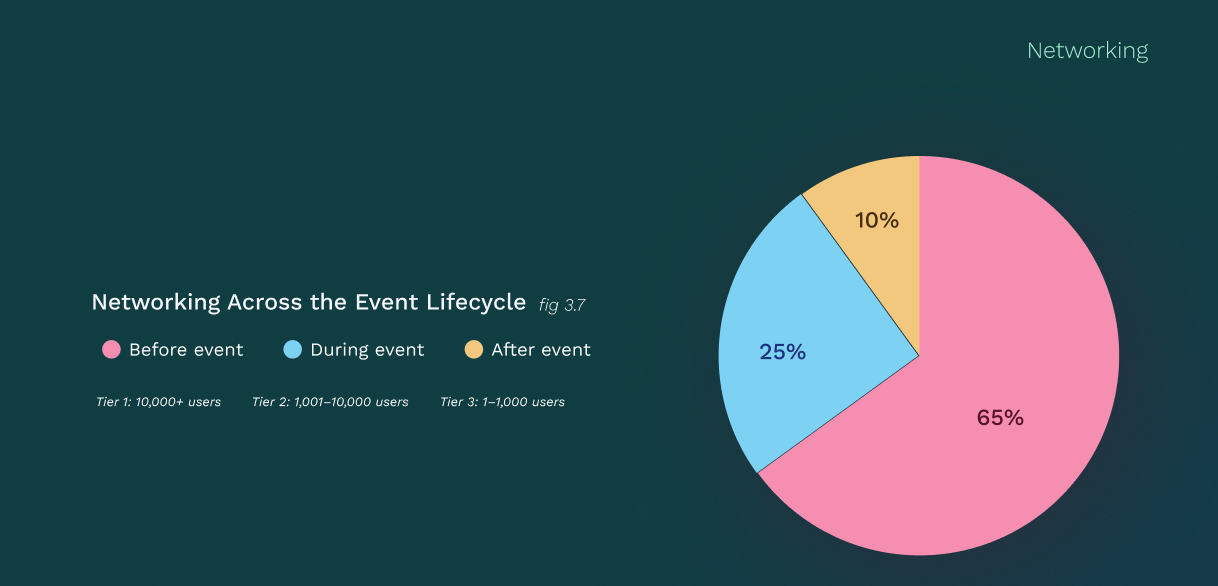
According to Swapcard's State of Event Engagement Report, 65% of networking happens before doors open, which makes pre-event digital discovery a serious revenue opportunity. If a sponsor only appears onsite, the organizer misses the moment when attendees are building agendas, saving exhibitors, requesting meetings, and signaling intent. Pre-event behavior often tells sponsors more about genuine buyer interest than booth traffic ever could.
Match onsite placements to observable action
Onsite sponsorship still matters, especially at trade shows, association annual meetings, and B2B conferences where physical presence shapes trust. Sponsored lounges, badge placements, floor plan visibility, session room branding, and booth traffic programs can all support sponsor goals. Each onsite placement needs a way to connect attention to action.
Think of the show floor like a large airport terminal. A sign above the gate matters, but the stronger signal is where travelers actually go, what they scan, which alerts they follow, and which routes they choose when time is limited. For event organizers, onsite sponsorship becomes more defendable when it connects to access control, lead retrieval, session attendance, interactive maps, or booth QR activity. For example, a sponsor running a session can track registrations alongside the booth QR scans from attendees who walked the floor directly afterward. Visibility becomes useful when it leaves a trace.
Connect networking inventory to qualified conversations
Networking placements usually command higher value because they sit closest to revenue. Hosted buyer programs, artificial intelligence (AI) matchmaking, sponsored meeting tables, VIP buyer lounges, and curated roundtables all give sponsors a path to the people they actually want to meet. Package architecture should move beyond a la carte inventory.
A strong networking package might combine buyer access, meeting guarantees, sponsored reminders, and post-meeting lead reporting. A weaker package might simply promise "networking exposure" without defining who attends, how meetings are booked, or what data the sponsor receives. Organizers looking to connect sponsorship products to measurable event monetization need to treat networking as a structured revenue product, not a loose benefit.
Turn engagement into defendable proof
Sponsor proof depends on attendee adoption and participation, not just the package itself. If only 30–40% of attendees use the event app, organizers lose the intent signals needed for matchmaking, sponsor conversion, and reporting. Engagement is the engine behind package performance.
Low adoption weakens the entire sponsor story
Low app adoption limits the first-party event data that makes sponsorship packages easier to price, sell, and renew. When attendees do not activate, organizers lose visibility into searches, meeting requests, and digital lead signals.
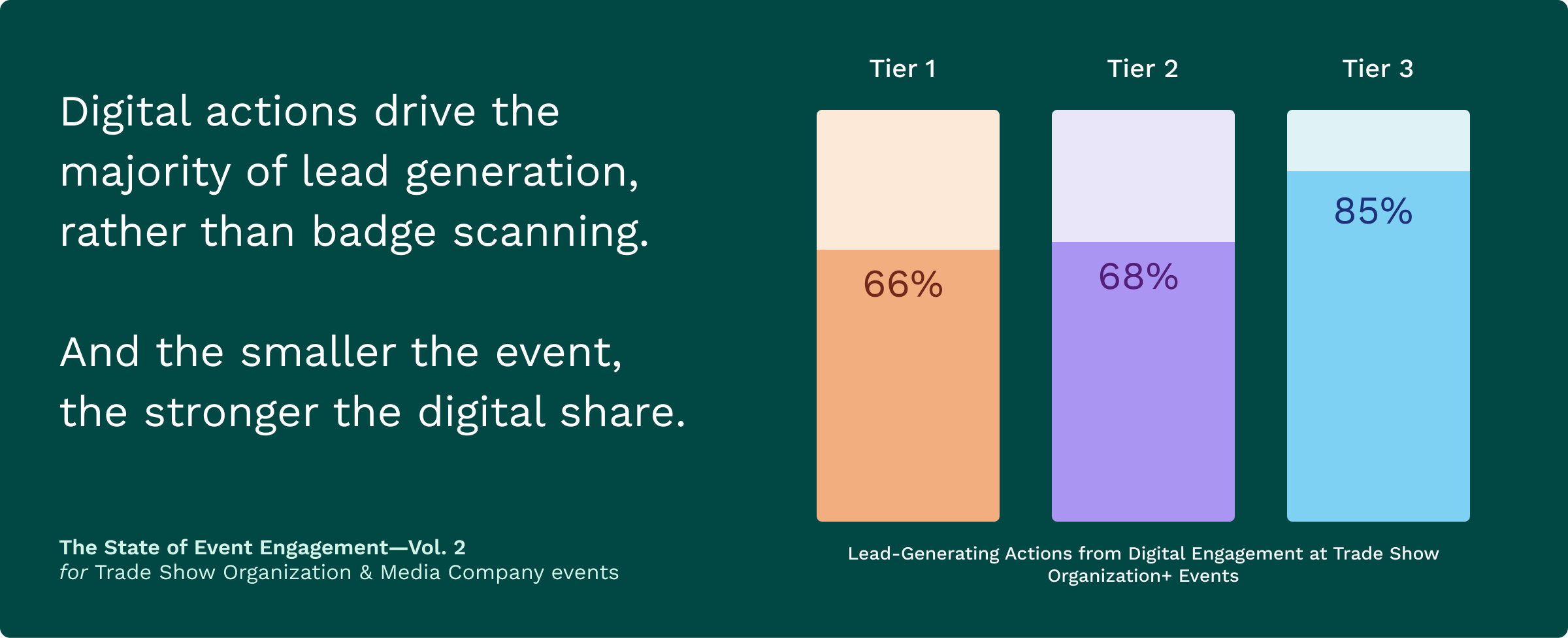
That creates a hidden cost. Sponsors may still receive badge scans, but badge scans rarely capture the full picture of buyer interest. In Swapcard event engagement benchmarks, 67–85% of leads came from digital touchpoints rather than onsite badge scans. If adoption is low, those signals never surface, and sponsors are left judging performance from a narrow view of booth traffic
Fragmented tools bury the signals sponsors need
Fragmented event tech stacks make sponsor reporting harder than it needs to be. Registration data sits in one system, session attendance in another, lead capture in another, and sponsor purchases in a separate sales tracker. Someone then spends days reconciling exports, deduplicating records, and building a recap deck that still cannot fully explain what happened.
Fragmentation carries a real revenue cost. When engagement data is buried across tools, sales teams lose negotiating power because they cannot connect the sponsor's investment to actual attendee behavior. Sponsors notice that gap, especially when their internal teams expect clean performance reporting.
Use dashboards to replace manual recap decks
Post-event dashboards change the timing and quality of the renewal conversation. Instead of waiting weeks to build a manual recap deck, event teams can show sponsors how their package performed across profile views, meetings, leads, content engagement, and session participation.
A good reporting model should answer five questions:
- Who engaged with the sponsor before, during, and after the event?
- Which channels performed across digital, onsite, and networking inventory?
- What lead quality emerged from scans, meetings, chats, and content actions?
- Which package elements underperformed and should be removed or repositioned?
- What upsell path makes sense based on actual sponsor behavior and goals?
The strongest sponsor ROI reporting gives sales and operations a shared view of what to bundle next, which proof points deserve premium pricing, and where to stop selling items that do not perform. For teams still relying on spreadsheets, see how Swapcard works in the context of joined registration, engagement, lead, and sponsorship data.
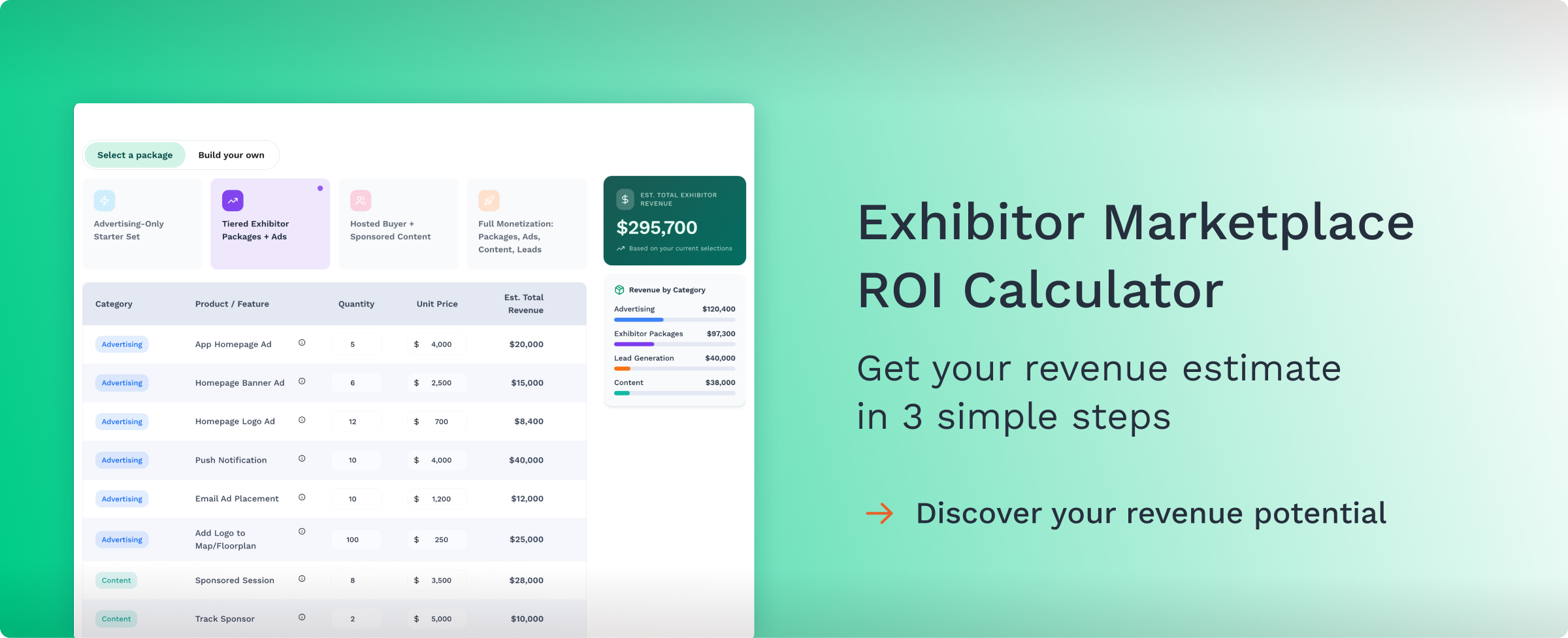
Design renewal-ready packages
Renewal-ready packages make proof part of the product, not a post-event scramble. Organizers can strengthen renewal rates and negotiating position by designing every sponsor tier around measurable delivery, year-round visibility, and clear upsell paths. The goal is packages sponsors can defend internally.
Turn one-off exposure into a year-round ROI narrative
A one-off exposure sale ends when the event ends. A renewal-ready sponsorship package keeps creating evidence after the event through on-demand content, Marketplace discovery, follow-up meetings, and audience engagement inside a 365 Event Hub. That matters because sponsors are increasingly measuring events against always-on digital channels with clearer attribution.
This does not mean every event needs a full year-round community program. Smaller regional conferences and single-day meetings may not have enough audience activity to support that model. Still, any organizer with a multi-day trade show, exhibitor base, and repeat audience can extend sponsor value beyond the booth fee by packaging post-event visibility and engagement reporting into the offer from the beginning.
Use platform features to productize sponsor value
Swapcard supports renewal-ready sponsorship by connecting the sponsor package to the data that proves delivery. For discovery, Marketplace profiles, Item Gallery, and sponsored placements keep sponsors visible before and during the event. Smart Meetings and Hosted Buyer programs structure the conversations sponsors actually want. Lead Capture and the Exhibitor Lead Center give sponsors the contacts and qualification data they need to report back internally.
Swapcard also reduces the reconciliation burden by keeping registration, attendee engagement, exhibitor lead activity, and event analytics connected inside the same event workflow. Sponsors can be discovered, buyers can be matched, leads can be qualified, and organizers can report on performance without rebuilding the story from scattered exports. For commercial teams redesigning packages around outcomes, get started with Swapcard after the package audit is complete and the renewal gaps are clear.
Next steps
Event sponsorship packages convert better when they are built around outcomes sponsors can defend: qualified access, measurable engagement, and reporting that holds up internally. Visibility still has a role, but it should no longer carry the commercial weight of the package on its own.
The audit is practical. Remove low-conviction visibility items, group inventory by sponsor goal, price premium bundles around data confidence, and make reporting part of the product from day one. That gives sales a stronger story, operations a clearer delivery model, and sponsors a better reason to renew.
FAQs
How do I create measurable sponsorship packages? To create measurable sponsorship packages, start by identifying what outcomes your sponsors need to prove after the event. Focus on guaranteed deliverables like engagement metrics, qualified meetings, or lead capture. Use Swapcard's features like the Exhibitor Lead Center to track leads and engagement signals, ensuring you can provide data that sponsors can defend internally. This way, you shift from selling visibility to offering tangible value that sponsors can report back to their teams.
What if my sponsors want more visibility? If sponsors are asking for more visibility, consider integrating visibility with measurable outcomes. You can offer packages that include digital placements like sponsored push notifications or banner ads, combined with engagement metrics. Swapcard allows you to track interactions with these placements, providing sponsors with data that shows how their visibility translates into engagement and leads, making it easier for them to justify their investment.
Can I use Swapcard for year-round sponsorship engagement? Absolutely! Swapcard's 365 Event Hub is designed to keep your audience engaged between events. You can use it to maintain sponsor visibility year-round by featuring their profiles, products, and content. This way, sponsors can continue to connect with attendees even after the event ends, creating a continuous engagement cycle that enhances their return on investment.
When should I start promoting sponsorship packages? Start promoting your sponsorship packages well in advance of the event. Ideally, begin at least six weeks prior to the event to build anticipation and allow potential sponsors to understand the value they'll receive. Use Swapcard's registration and engagement features to gather insights on attendee interests, which can help tailor your sponsorship offerings to meet specific sponsor goals.
Why does low app adoption affect sponsorship success? Low app adoption can significantly weaken your sponsorship success because it limits the first-party data you can collect. If attendees aren't using the app, you miss out on valuable engagement signals that sponsors need to justify their investment. To combat this, focus on promoting app usage before the event, and utilize Swapcard's features to enhance the attendee experience, making them more likely to engage with the app.

Bhavya Sharma
Senior Content Marketing Manager
Shapes content strategy across the funnel at Swapcard, from awareness messaging to thought leadership, driving B2B SaaS growth through research-backed storytelling.


Join 12,000 subscribers and unlock industry secrets.
By submitting this form, you agree to receive periodic emails on insightful content related to events and our product, and in accordance with our Privacy Policy. You can, of course, change your preferences or unsubscribe at any time.

.svg)


.svg)
.svg)
.svg)
.svg)


