


Boost event app adoption with pre-event value
At 8:07 AM on opening day, a badge line is a harsh place to ask attendees to learn your app. Event app adoption is won earlier, when attendees build a personalized agenda and receive relevant artificial intelligence (AI) recommendations before they reach the venue. Promotion still matters, but reminders only amplify the value that the product already gives them. Without that value, organizers lose the intent signals exhibitors need for event matchmaking and sponsor return on investment (ROI) proof.
Pre-event value is the real adoption lever. Attendees open an event app when it helps them plan, find relevant people, reduce check-in friction, and understand why the app belongs at the center of their onsite experience.
Key takeaways:
- Pre-event utility is the strongest adoption lever because attendees use apps that solve a planning need before arrival
- Personalized agendas and AI recommendations give attendees a clear reason to return to the app
- A smooth check-in workflow supports app uptake by reducing first-use friction on event day
- White-label branding can increase trust because the app feels like part of the official event experience
- Low app adoption limits the intent signals organizers need for event matchmaking, sponsor reporting, and exhibitor ROI
- Active usage and in-app actions reveal whether adoption is working, while downloads only show reach
Stop treating adoption as promotion
Adoption improves when organizers stop treating the app as a campaign and start treating it as part of the attendee journey. Promotion can increase awareness, but it cannot make a weak app experience valuable. For exhibitions, association annual meetings, and B2B conferences, the app has to earn attention before the attendee reaches the venue.
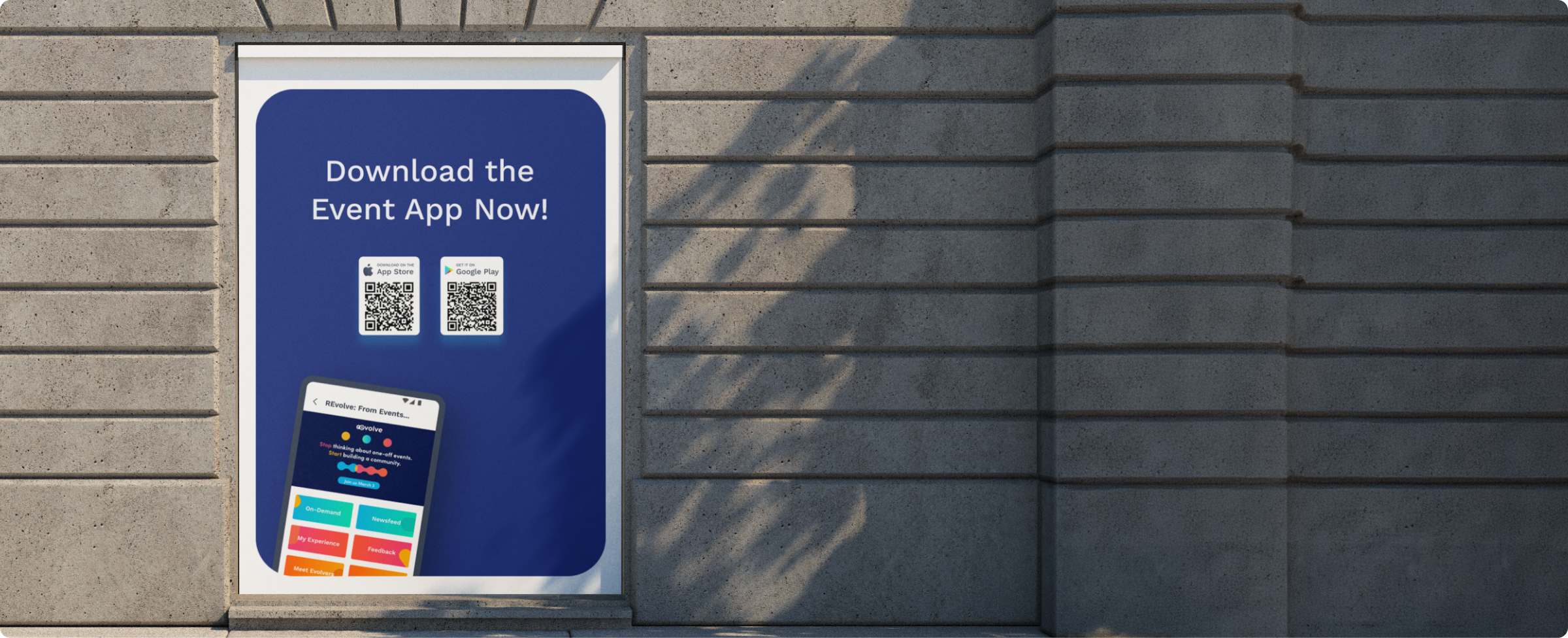
More reminders rarely fix weak attendee value
Event organizers know the drill all too well: the launch email goes out Monday, the reminder sequence follows Wednesday, banners are added to the website Thursday, and onsite staff are briefed to mention the app at badge pickup. On paper, that looks like a full adoption plan. In practice, a communication plan often covers a value gap. If the attendee cannot answer, "What can I do here that makes my event better right now?" the app becomes another inbox request.
The stronger approach starts with utility. Before approving another reminder, run this three-question audit: does the app currently let attendees save at least one session, view exhibitors relevant to their profile, or request one meeting? If the answer to all three is no, the campaign is early.
The app is asking for attention before it has earned it. A useful rule of thumb: if fewer than three meaningful actions are live 30 days out, activation is likely to stay low no matter how many reminders you send.
The adoption problem is really a data problem
Low app adoption hurts attendee engagement and limits the intent signals organizers need to prove exhibitor ROI. Every session bookmark, exhibitor profile view, and meeting request tells a story about what the attendee wants. Without active usage, that story gets thinner, and exhibitor marketing leads are left with badge scans that say who stopped by without explaining why they cared.
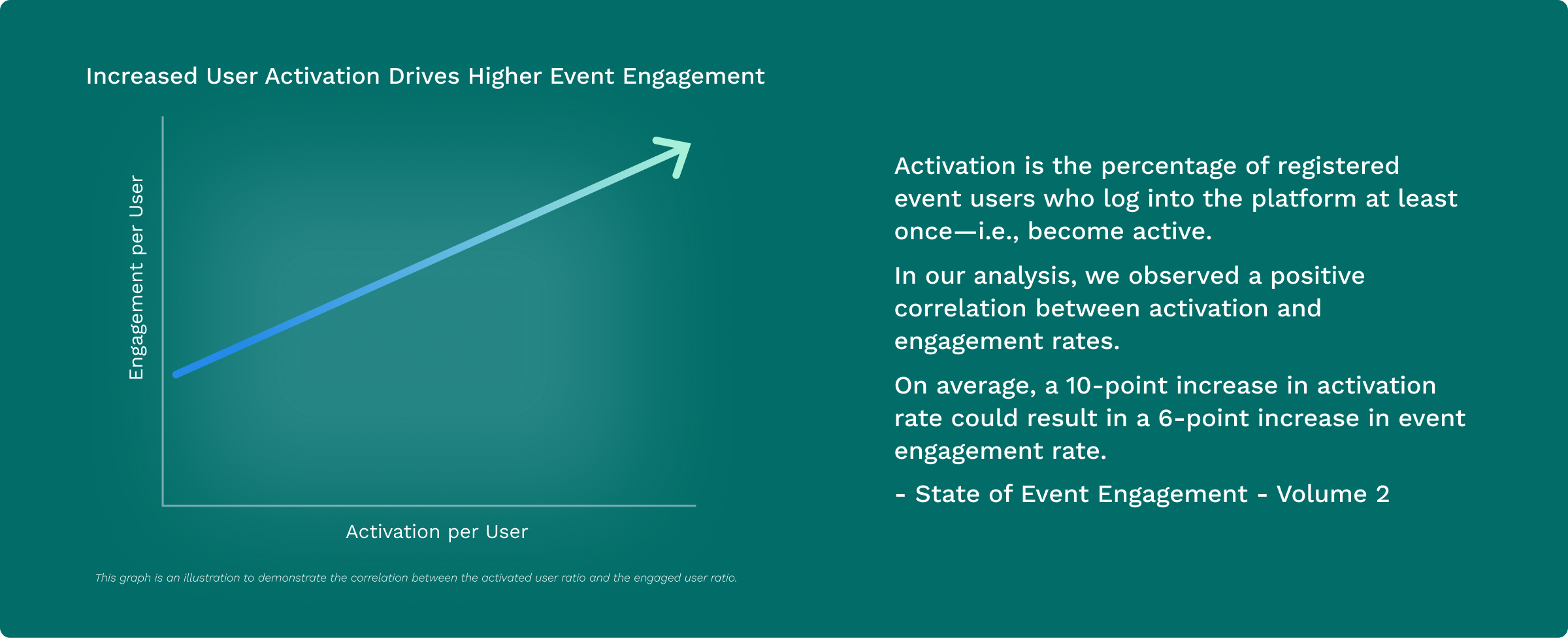
That is where the expectation gap starts. Exhibitors arrive at trade shows expecting qualified leads, useful context, and a credible reason to renew. Organizers often measure success with attendance, downloads, or badge activity. Those metrics matter, but they fall short in a commercial conversation. Active app usage is the bridge between attendance and proof, because in-app behavior creates the engagement analytics that sponsors and exhibitors can actually use in their post-show follow-up.
Earn attention before the event
Pre-event value is the strongest adoption lever for event apps because it gives attendees a useful reason to open the app before they are busy onsite. Agenda planning and matchmaking both work better when they start early, and waiting until check-in leaves too much value trapped inside the event day rush.
Agenda planning beats download reminders
A downloadable app and a useful app are two different things. Attendees are pressed for time before a B2B conference, juggling travel logistics alongside expectations from their own teams. An app reminder that says "download now" competes with all of that. A reminder that says "save your 12 priority sessions and avoid onsite schedule conflicts" gives them a job worth doing.
A good test is simple: open the app like an attendee 30 days before the event and count the number of meaningful actions available. If the answer is fewer than three, adoption will depend too heavily on reminders. Strong pre-event utility usually includes:
- A searchable agenda that lets attendees save relevant sessions before the schedule gets crowded
- Exhibitor discovery that lets attendees bookmark booths and products ahead of time
- Meeting planning that lets buyers and exhibitors schedule conversations before calendars fill
- Floor plan access that helps attendees map their onsite route before arrival
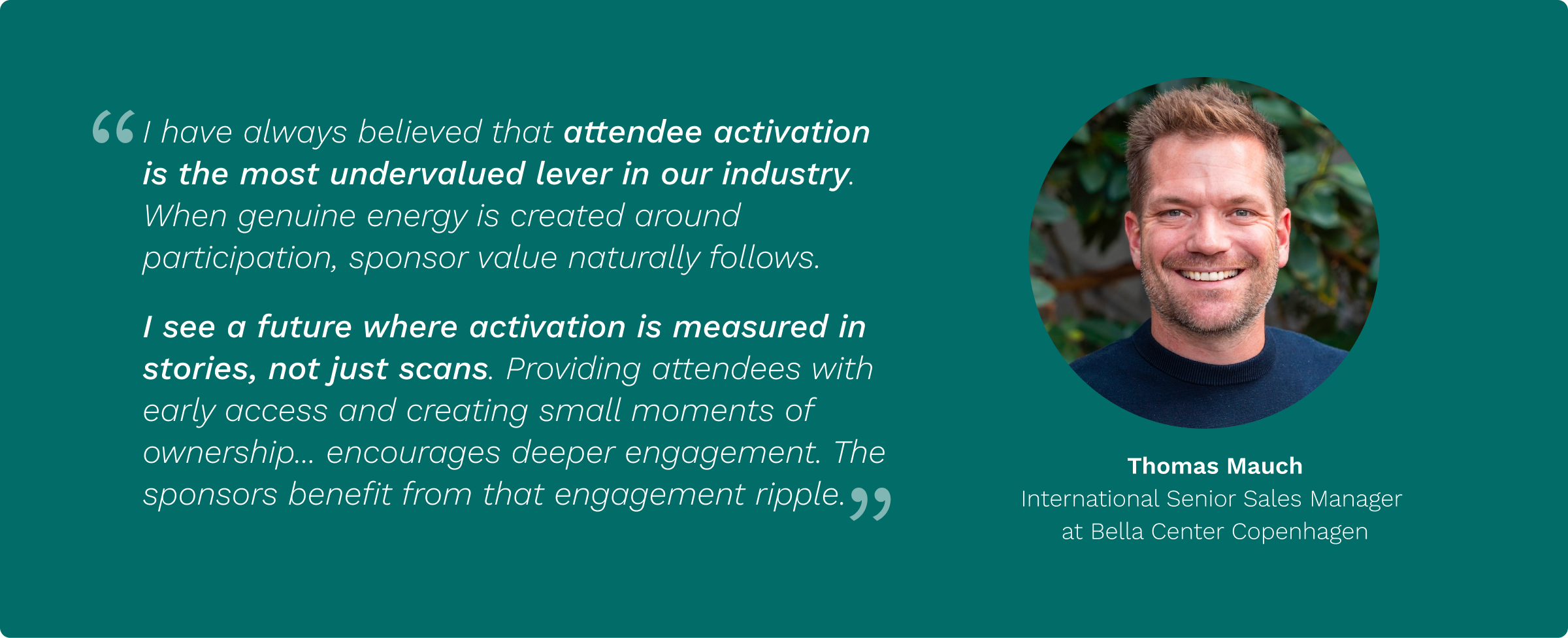
The event mobile app should function as the attendee's planning layer rather than a digital program. That distinction matters because pre-event planning creates the first round of intent data. A saved session signals topic interest, and a bookmarked exhibitor signals commercial intent. A meeting request goes further: that is active demand.
Matchmaking works better when it starts early
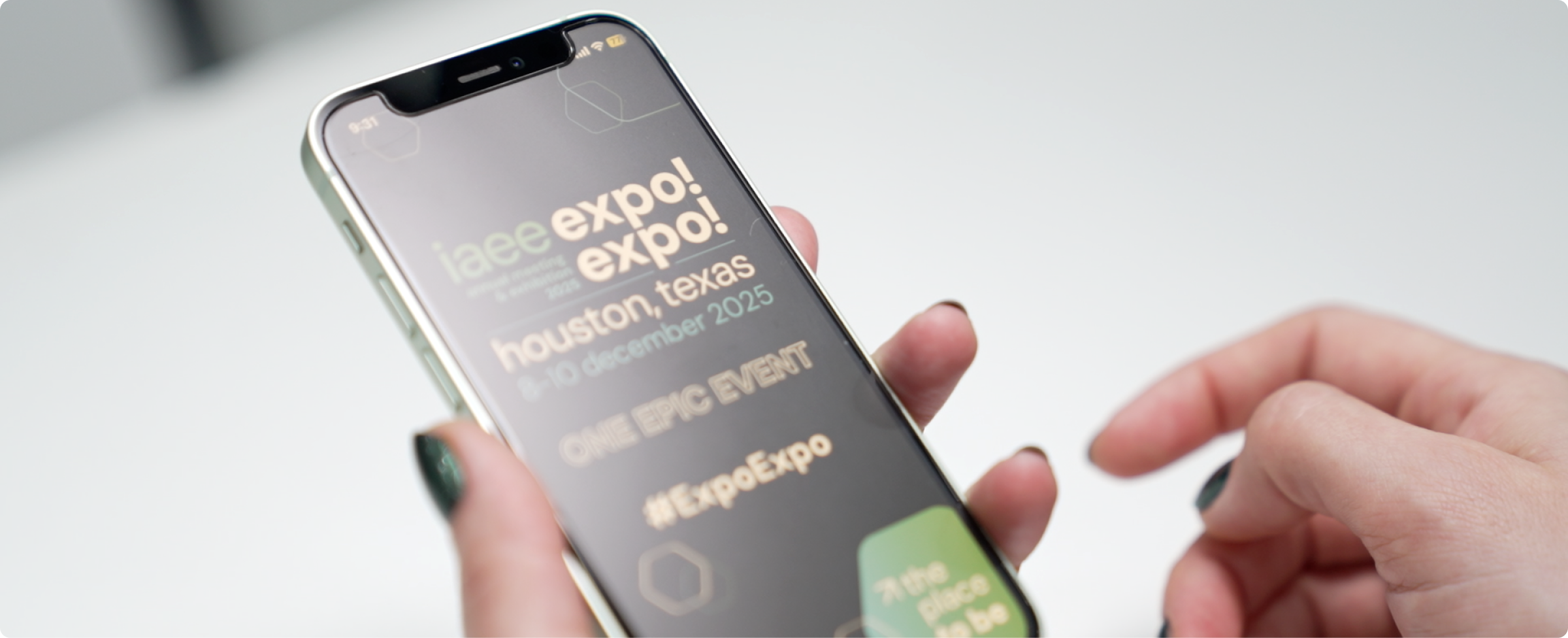
In Swapcard's event results from IAEE Expo! Expo!, 83% of attendees were active users, 14,914 connections were made, and 893 meetings were planned in advance. The stronger lesson sits behind the usage numbers: early app activity gave attendees and exhibitors a clearer path to relevant conversations before onsite noise took over. For exhibitor marketing leads, that matters because a scheduled meeting with context is worth more than a badge scan with no notes.
Matchmaking loses strength when attendees only engage after they arrive. By then, calendars are tight and high-value buyers have already committed to private meetings or sponsor dinners, while exhibitors are busy managing booth traffic. Pre-event matchmaking gives the platform time to capture preferences and surface relevant people, so attendees arrive with a plan.
There is a fair counterpoint here. Some attendees will always wait until the last week, no matter how strong the pre-event experience is. That is valid. Perfect early adoption is unrealistic, so aim to move enough planning activity upstream that the event app starts collecting useful signals before the show floor opens.
Make personalization the habit
Personalization drives repeat app usage because attendees return to tools that keep showing relevant next steps. Static content gives attendees one reason to open the app. Personalized agendas and AI recommendations give them a reason to keep checking it as their plans change.
Static agendas create one-time usage
A static agenda can support basic navigation, but it rarely creates a habit. Attendees scan the schedule, save a few sessions, and rarely come back until they need a room number. For organizers, that means fewer in-app actions and weaker engagement data to pass into sponsor ROI conversations.
Personalized agendas change that pattern. When attendees can save sessions, filter by interest, receive reminders, and see schedule conflicts before they happen, the app becomes a planning tool instead of a content library. The decision rule is practical: if the agenda experience does not reduce the attendee's planning work, it will not carry adoption on its own. A personalized agenda should help attendees decide where to spend time, beyond simply showing them what exists.
AI recommendations make repeat opens more natural
AI recommendations give attendees a clear reason to open the app by turning broad event content into a focused set of next steps. Instead of browsing hundreds of sessions and profiles, the attendee sees relevant people and companies based on profile data and behavior. That is a stronger value exchange than a generic "open the app" prompt.
The best recommendation systems use more than registration fields. They improve as attendees act: every session click, exhibitor save, and meeting request sharpens the next suggestion. Think of it like the difference between a printed show guide and a concierge who watches what the attendee actually cares about. The guide can list everything. The concierge can point to the next relevant conversation.
If the team needs one connected path from personalized agenda planning to meeting intent, see how Swapcard works.
Remove first-use friction
Adoption depends on the first-use moment because attendees decide quickly whether the app makes the day easier or adds another task. A smooth check-in flow supports app uptake by reducing event-day friction. When registration, badge pickup, and app access feel connected, attendees have a practical reason to use the app from arrival onward.
Check-in is the adoption handoff
A stronger check-in workflow connects the badge, QR code, and app experience. Attendees scan, print, and move into the event with a clear next action, such as viewing their saved agenda or checking their first meeting. The event check-in app becomes part of the activation path rather than a separate onsite tool. For organizers, that means the first event-day interaction can reinforce app usage instead of competing with it.
Activation drops when onboarding asks too much
Onboarding can suppress activation when it asks attendees to do too much before they see value. Long profile forms, unclear login steps, missing password flows, and generic welcome screens all create small delays. Each delay feels minor to the project team. Put together, they cost usage.
A practical audit works well here. Event teams should test the app with someone who has never seen the setup and watch the first three minutes. Do they know where to find their agenda? Can they complete a key action without asking for help? If they cannot, the issue is first-use design rather than attendee motivation.
Not every event requires the same level of onboarding depth. A hosted buyer program may need richer profile completion because match quality depends on it. A broad trade show app may need a faster path to agenda, exhibitors, and floor plans. The point is to match onboarding effort to visible value. For organizers weighing whether their current setup connects registration, check-in, and in-app engagement data into one activation path, learn more about Swapcard.
Use branding to build trust
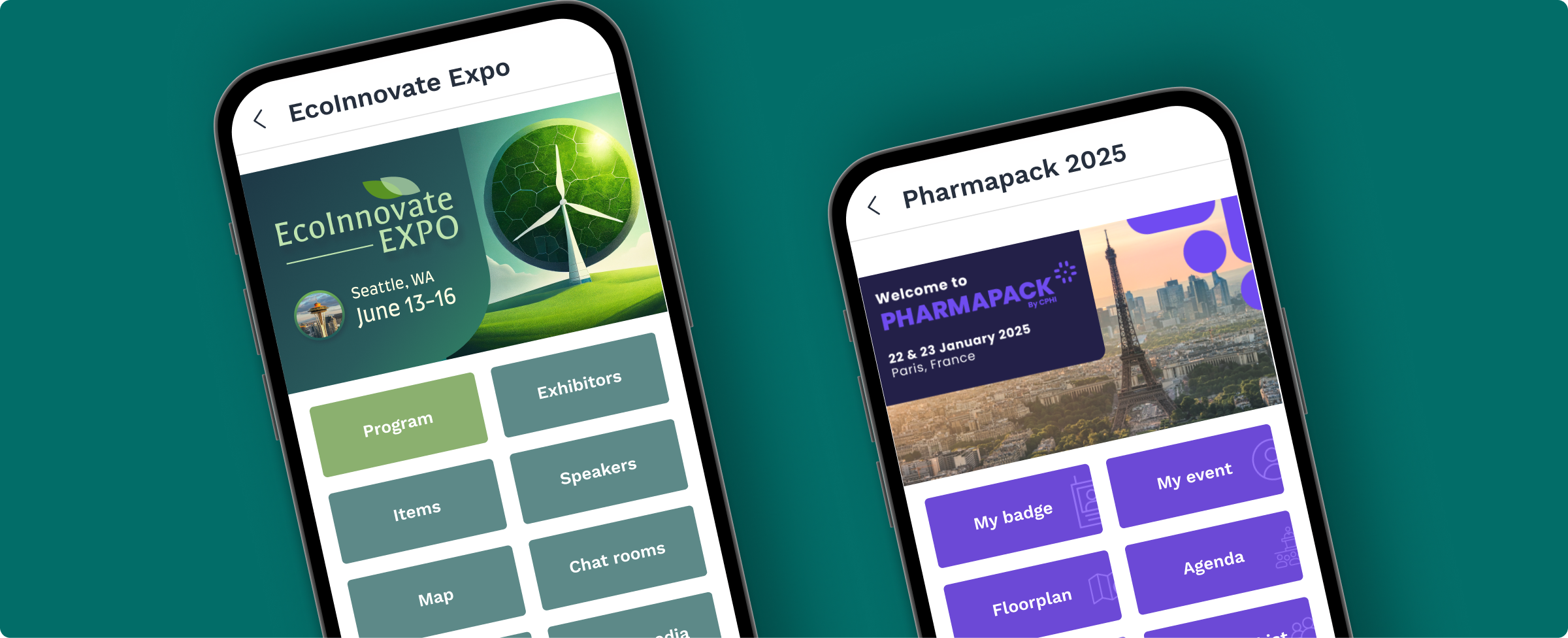
White-label branding can increase event app adoption because attendees are more likely to use an app that looks and feels like the official event experience. A generic app can still work, but it forces attendees to connect the dots. Branded design reduces doubt and makes the app feel credible from the first open.
Generic app experiences create hesitation
Attendees notice when an app feels disconnected from the event website, registration flow, badge design, and onsite signage. They may still use it, but the first impression carries friction: attendees quietly question whether the app is official, whether it is safe to log in, and whether their agenda will actually be there. Those doubts slow adoption, especially for association audiences, healthcare conferences, and hosted buyer programs where trust matters.
White-label customization gives the app a stronger role in the event ecosystem. Logos, colors, and event-specific navigation make the experience feel owned by the organizer. The value lies in credibility rather than decoration. When attendees recognize the brand, they are more likely to believe the app contains the official agenda, meeting schedule, and access information.
Trust should match the event's commercial promise
Branding also matters to exhibitors and sponsors because the app is often where their value gets delivered. Sponsored placements, exhibitor profiles, and lead capture all depend on attendee trust. If attendees treat the app as optional or unofficial, sponsor inventory loses attention and exhibitor intent signals get weaker.
For larger trade shows and B2B conferences, white-label event apps can support that trust by aligning the digital experience with the organizer's event brand. The decision rule is straightforward: if the event sells premium sponsor visibility or hosted buyer access, the app should feel like the official surface where commercial value happens.
Measure adoption that matters
Meaningful measurement separates downloads from active usage and in-app actions tied to ROI. Downloads show reach, but active usage shows whether attendees are finding value. In-app actions reveal the intent signals organizers need for matchmaking, sponsor reporting, and renewal conversations.
Downloads are the weakest adoption KPI
Downloads are easy to report, which is exactly why they can become misleading. An attendee can download an app, open it once, and never create a signal that helps exhibitors. That number may look good in a board update, but it will not help a sponsor understand which audience segments engaged with its content or help an exhibitor marketing lead prove lead quality to a chief marketing officer.
The stronger measurement model has three layers. First, activation: registered attendees who log in. Second, engagement: attendees who complete a meaningful action save sessions, view exhibitor profiles, and request meetings. Third, commercial value: meetings booked, leads captured, and sponsor assets viewed. Anything less risks mistaking access for adoption.
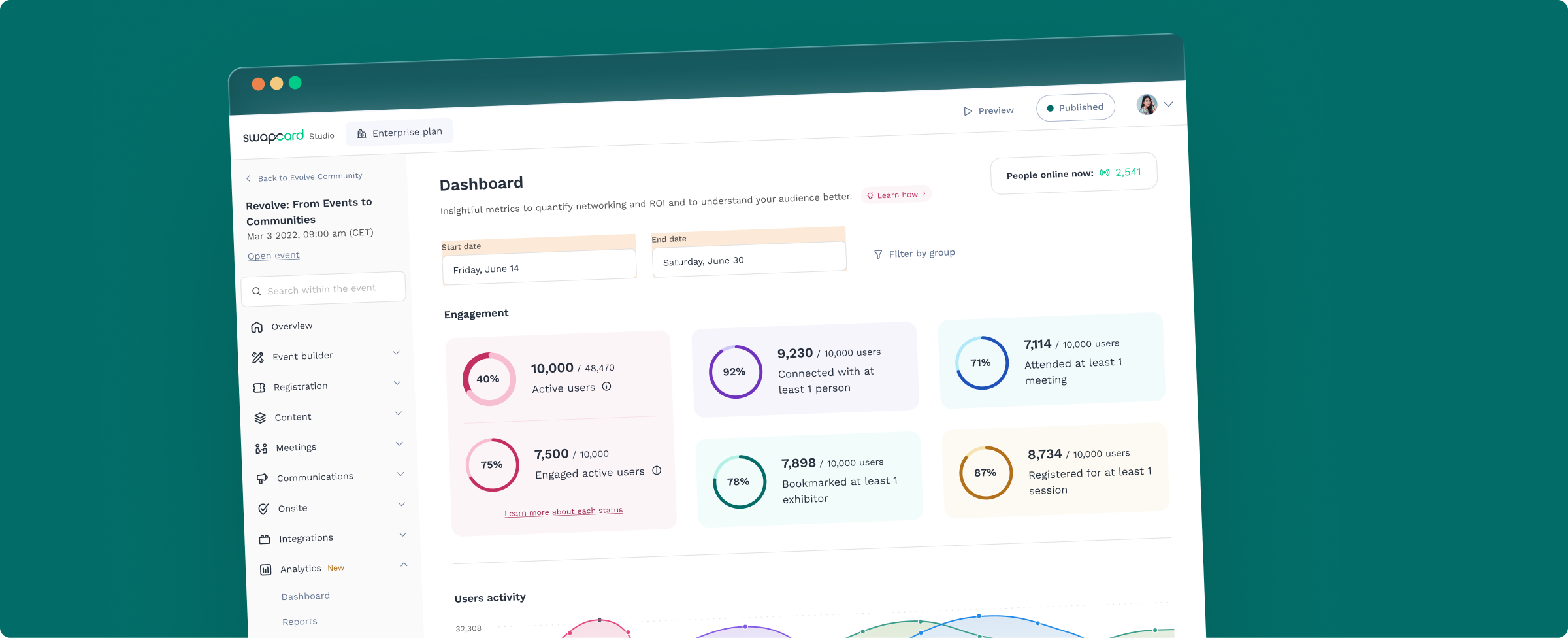
A simple adoption dashboard should track:
- Active users beyond raw downloads
- Personalized agenda actions, such as saved sessions and calendar adds
- Matchmaking actions, including meeting requests and accepted meetings
- Exhibitor engagement, such as profile views, bookmarks, item saves, and booth interactions
- Sponsor engagement, such as clicks, views, and responses tied to paid placements
- Lead quality, including scored leads and follow-up-ready records
Intent signals make ROI conversations stronger
Higher app usage improves the quality of engagement data because attendees create more intent signals across the event journey. An exhibitor wants more than a list of who scanned a badge. The stronger question is who viewed the profile before the event, saved the booth, requested a meeting, and then spoke to booth staff onsite. That is the difference between a contact list and a useful sales story.
Swapcard connects this adoption work to revenue by joining registration, onsite check-in, AI Matchmaking, personalized recommendations, exhibitor profiles, and Lead Capture in one event workflow. Its Event Builder and Branded App let organizers create a branded mobile and web experience, while Onsite Check-in and Badging ties arrival to the attendee record. AI Matchmaking and Recommendations then use profile and behavior signals to suggest relevant people, sessions, and exhibitors, and the Exhibitor Lead Center brings captured leads into one place for qualification and export.
The reason this matters is commercial. If low adoption weakens intent signals, organizers walk into renewal meetings with incomplete proof. With Swapcard, event teams can show more than attendance and app opens. They can connect attendee behavior to meetings, exhibitor engagement, lead capture, and sponsor value. When the adoption audit points to disconnected registration, app, and lead data, [Get started with Swapcard].
Event app adoption should never be treated as a vanity metric. It is the foundation for better attendee engagement, stronger matchmaking, and cleaner sponsor ROI conversations. The organizers who win this work start before the event, make the app personally useful, remove first-use friction, and measure actions that prove value. Promotion still has a role, of course, but it works best when it points attendees toward something worth opening.


Join 12,000 subscribers and unlock industry secrets.
By submitting this form, you agree to receive periodic emails on insightful content related to events and our product, and in accordance with our Privacy Policy. You can, of course, change your preferences or unsubscribe at any time.
.svg)


.svg)
.svg)
.svg)
.svg)


