


IAEE Expo!Expo! 2025 Recap: What Houston Taught Event Organizers About AI, Engagement, and Sponsorship Value
When the “show for shows” comes to town, the events industry pays attention. IAEE Expo!Expo! 2025 delivered what trade show organizers and associations look for most: practical ideas, candid conversations, and clear signals that exhibitions are evolving with intention.
Held December 8–10 at the George R. Brown Convention Center in Houston, Expo!Expo! brought together more than 1,800 exhibition and events professionals for three days focused on education, networking, and strategic planning for what comes next.
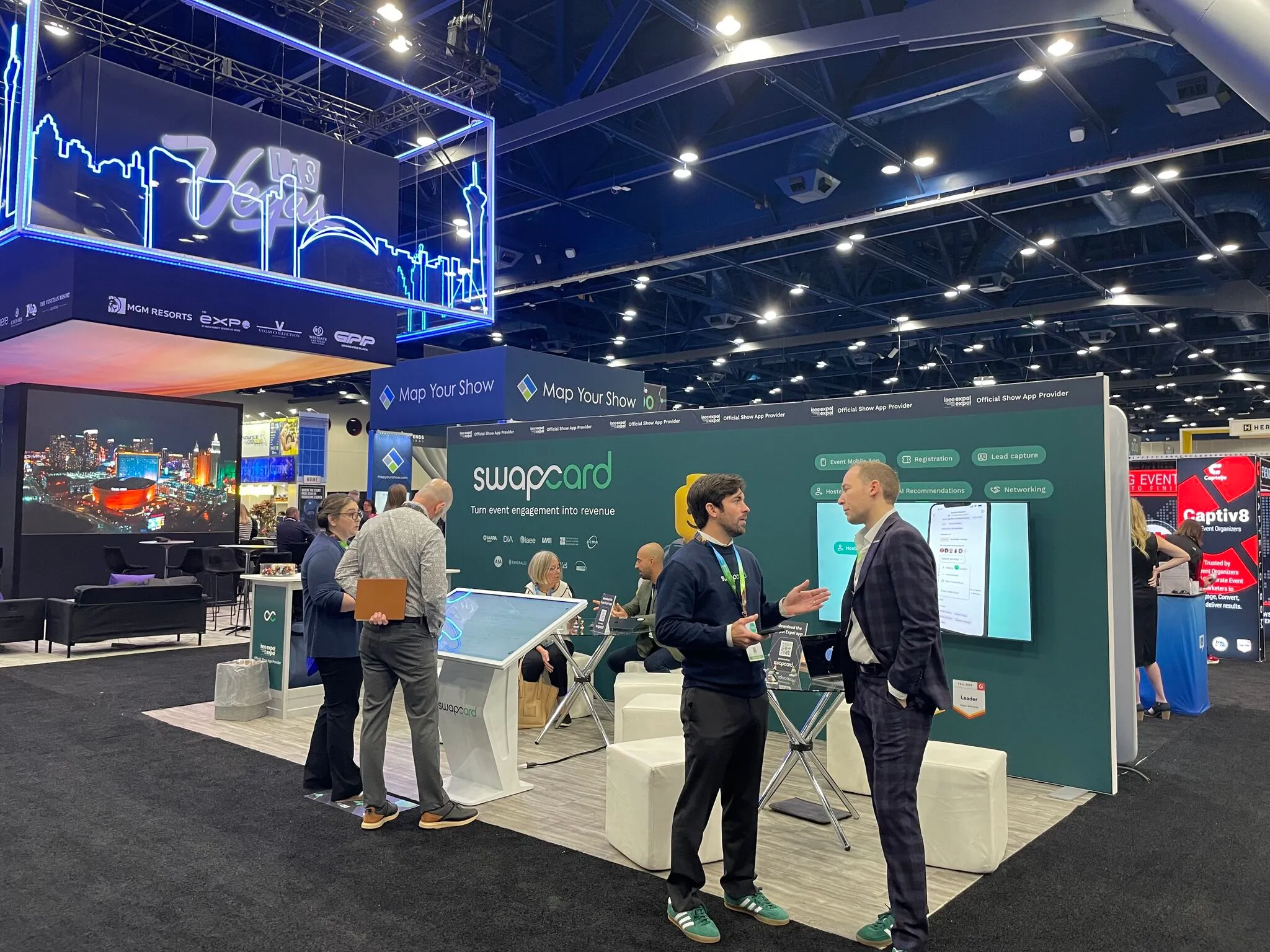
Behind the scenes, our team supported Expo!Expo!’s digital experience from pre-show planning through onsite execution. Before the event, the platform helped attendees and exhibitors discover relevant connections, schedule meetings, and build personalized agendas, including through the hosted buyer program. Once the show opened, the Expo!Expo! mobile app became the central companion onsite, helping participants stay organized, navigate the venue in real time, and make the most of each interaction. Exhibitors also used lead capture tools to turn short booth conversations into structured, actionable follow-up after the event.
Across the show floor, one message came through consistently: the industry is focused on experience, outcomes, connection, and on proving the value of each through data.
Below are the themes that surfaced repeatedly at Expo!Expo! 2025, and why they matter now.
1. Education moved onto the show floor and it changed the energy
One of the most visible shifts this year was how education was embedded directly into the exhibition hall. Learning zones were placed on the show floor itself, allowing sessions to flow naturally into exhibitor conversations. Instead of competing with exhibitor time, content became part of the flow; attendees could move seamlessly from a session into a conversation with a partner (and back again) without losing momentum.
For organizers, this approach goes beyond layout design. It reflects a strategic shift. It reinforces that learning doesn’t need to be separated from the marketplace. When sessions are designed to feel accessible and embedded into the event journey, engagement becomes more natural, and exhibitors benefit from being part of the learning moment.
2. Sponsorship and revenue conversations are shifting toward outcomes
Expo!Expo! is always a pulse-check on what is happening commercially in the exhibition world, and this year a clear theme emerged: sponsorship models are moving away from inventory-based packages and toward measurable value.
Organizers and suppliers shared practical approaches for improving sponsor performance, not by adding more items to a package, but by focusing on outcomes, not volume. That includes better attendee discovery, easier meeting setup, more intentional onsite engagement, and clearer post-event reporting.
For association and trade show professionals, the implication is clear: the future of sponsorship growth sits at the intersection of experience and measurable impact. And that puts added focus on tools like hosted buyer programs, structured matchmaking, and onsite meetings, all designed to help relationships turn into results.
3. AI is no longer a “future trend”, it’s becoming a practical advantage
In Houston, AI was discussed less as a vision and more as a working capability. The strongest conversations focused on how AI can reduce planning friction, help attendees navigate faster, and support lean teams without sacrificing quality.
That made Expo!Expo! the perfect moment for Swapcard to introduce our newest AI capabilities. During the event, we launched EVAA (Event AI Architecture), the foundation behind a new generation of intelligent event experiences, and unveiled Swapcard Sherlock, our Attendee Assistant designed to help participants discover the right sessions, exhibitors, and people faster through conversational guidance.
The takeaway echoed across many sessions: AI delivers the most value when it simplifies complexity and supports decision-making in real time. For organizers, the opportunity isn’t replacing the human side of events; it’s using AI to help people get to the right experience faster.
4. Sustainability and human-centered experience design are becoming core strategy
Another standout shift: sustainability and attendee experience were not treated as secondary topics”. Expo!Expo! introduced a dedicated space focused on sustainable event practices, a sign that the industry is moving past surface-level gestures and into operational choices that matter.
At the same time, broader experience conversations (wellness, engagement mechanics, personalization) came with an important reminder: if an experience distracts from connection, it does not work. The best activations, the most memorable moments, and the most successful conversations on the floor were the ones that helped people feel oriented, included, and genuinely connected.
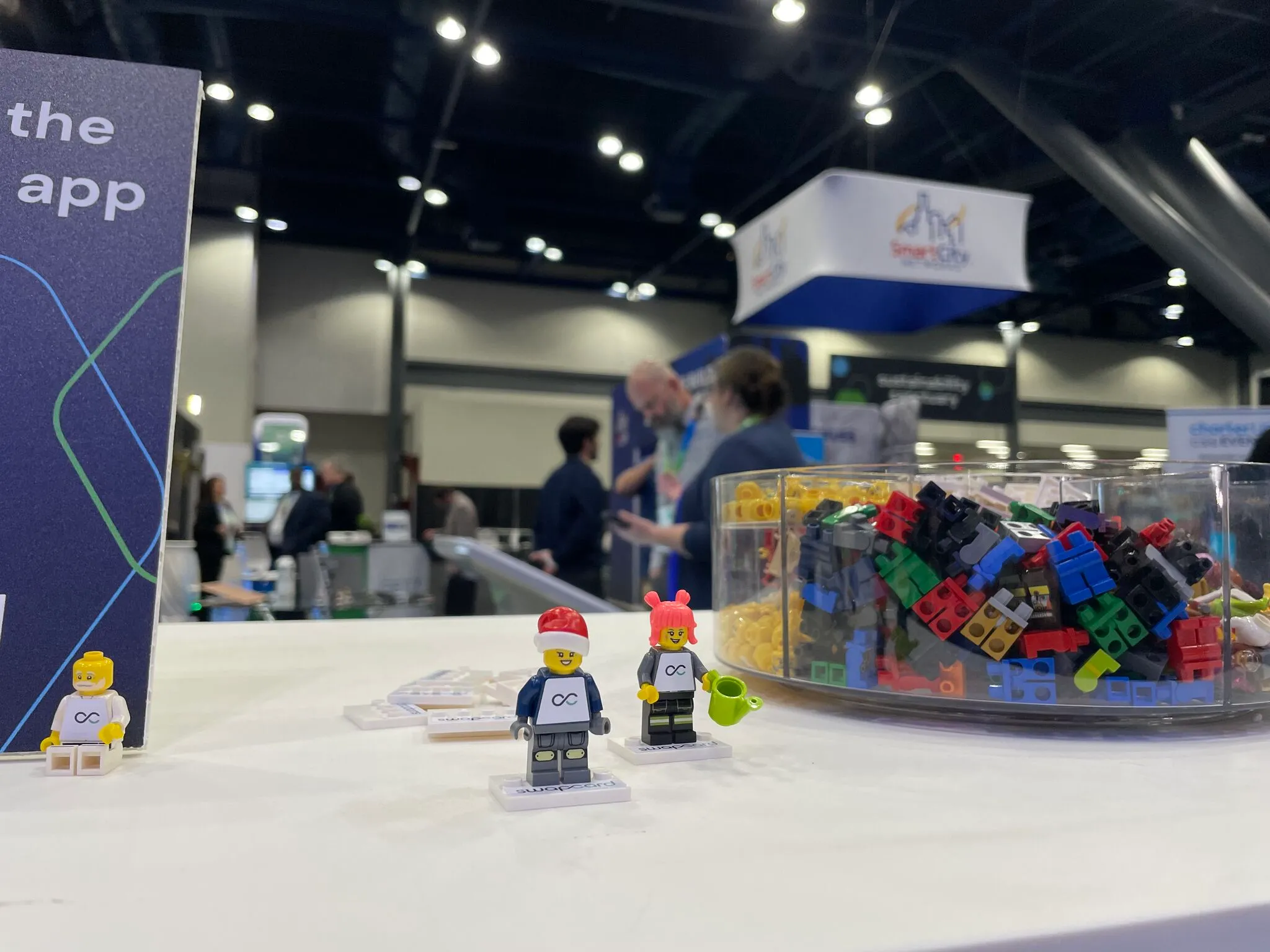
What organizers can take back to their own flagship events
Expo!Expo! 2025 didn’t just showcase what’s new, it showcased what’s working. The biggest takeaway for association and trade show leaders: innovation isn’t about adding more. It’s about removing friction and designing for outcomes.
If you’re planning your next flagship event, Houston offered a roadmap:
- Place learning where engagement already happens
- Build sponsorship strategy around measurable value
- Use AI to streamline discovery and engagement
- Make sustainability and experience design part of core operations
- Design every touchpoint to support real connection
At their core, events exist to bring people together and Expo!Expo! 2025 was a powerful reminder of what happens when the industry designs for it intentionally.

Baptiste Boulard
CEO | Swapcard
Voted among the Top 100 most influential people in the event industry, has grown Swapcard's reach and turned its audience into an engaged, global community.



Join 12,000 subscribers and unlock industry secrets.
By submitting this form, you agree to receive periodic emails on insightful content related to events and our product, and in accordance with our Privacy Policy. You can, of course, change your preferences or unsubscribe at any time.


.svg)

.svg)
