
Reading between the data: How association leaders are turning insights into decisions

September 4, 11:00 AM ET
Discover how association leaders are transforming event data into measurable ROI. Learn from 500+ events, uncover gaps, and gain strategies to monetize smarter.
%20(1).webp)
The events industry is evolving fast and real success requires strategic activation, meaningful engagement, and measureable ROI. Yet data shows major gaps: 70% of organizers report low adoption of event tools, 25% skip AI matchmaking despite its proven impact, and 97% of lead reports go untouched months after events. In this webinar, industry experts will break down insights from 500+ association and nonprofit events, share practical strategies to help organizers and exhibitors close the gaps, and to turn data into measurable ROI.
What you’ll learn:
How to identify and close activation, engagement, and ROI gaps revealed in the latest industry data.
Practical ways to educate and equip exhibitors and sponsors to adopt digital tools and maximize value.
Proven strategies to turn pre, during, and post event data into revenue-driving decisions for all stakeholders.
Transcript
Introduction and Welcome
A few minutes to pop on here and jump in. Once you've joined us, just let us know. We want to see you in the chat. So let us know where you're coming from, what you're excited to hear about today, and just let us know that you've popped in and hello to everyone.
We're going to be also just a bit of housekeeping we will be recording this webinar so you can also join us on demand if you want to catch this later. So hello and welcome.
Today, we're gonna be diving into our findings from our state of engagement report volume two for association and nonprofit events. So these findings are based on five hundred events and over five hundred thousand users on the Swapcard platform. So we're gonna have a link in the the report to the in the document section of the the session. So if you haven't checked it out already, feel free to download it.
Tons of interesting insights that we're gonna be diving into today. So just for context, just so everyone's on the same page, Swapcard is an industry leading AI powered event engagement platform that it's gonna be it's it's really where we get all of this data from from the report. So it the platform, has hosted over ten thousand events around the globe, and we focus on streamlining event management to increase attendee engagement, which improves exhibitor ROI, and then streamlines event operations and unlocks new revenue opportunities for all. So it's really part of that where we get all of this data from.
Panelist Introductions
And just to introduce myself, I am Katrina Majewski. I am a solution design expert with a specialization in registration for small to large scale international events. So my role focuses on finding solutions to challenges and empowering organizers to use data and industry expertise to organize and execute the best events possible. So I am so excited to be speaking with a couple of our industry experts that we have here today.
So thank you all for joining me on this. We have some excellent panelists that I'm just I'm so excited to be talking about these data points with. So just for introductions, we're gonna start with Nicole at IAAE, who is VP of marketing and communications. So Nicole, do you wanna say hello and give a quick introduction?
Hi. Thanks for having me today. I'm Nicole Baumann, Vice President of Marketing and Communications at IEEE. I manage all the marketing functions for the association, including member engagement, community engagement, all of our event marketing.
It's a it's a fun job.
Awesome, thank you Nicole. And we're also going to send it over to Lisa at the American Society of Anesthesiologists, the Director of Corporate Solutions.
Hello Lisa, thank you for joining Hello, it never gets old being called an industry expert, so thanks for that Katrina.
It's thrilled to be here with everybody today.
Like Katrina said, I'm director of corporate solutions over at the ASA. Before that spent about eight years at RSNA, Radiological Society, so been in the medical association space for a while and really oversee all of our relationships with industry. I really commit all these conversations from a sales business development perspective. Thanks for having me.
Awesome. Thank you, Lisa. And Sasha, who is with the National Business Aviation Association, the VP of Exhibits, we'd love to hear your introduction as well.
Hello, everyone. Thanks for having me, Katrina. It's nice to be with all of you. I am in charge of exhibits at NBAA, have been for the last three and a half or so years. We have kind of a mixed portfolio of large and smaller events, some with outdoor aircraft display, some with indoor exhibits, some with both.
So I'm excited to share some discussion with you all today.
Awesome. Thank you so much, Sasha. And thank you all for being here. There is so much event experience at this panel.
Key Data Points Discussion
So I'm very excited to be diving into it with all of you. And we're since we're looking at the state of engagement report, I do think we should just dive right into the some of these data points. So let me go back a slide here. Okay, so these are just some data points I think just to start out, we're really, at the forefront, very important for us to dive into because they really it readily resonated with organizers, these ones.
So the first one, twenty four percent of organizers said proving ROI with data was their biggest challenge, like, one.
The second one, twelve percent listed proven ROI within their top three business priorities and then only fifty percent said that they're actually leveraging data and analytics. It really shows that organizers know data is critical but many are feeling overwhelmed about where to start. So panelists, I want to get your initial thoughts. Are you surprised by these data points or how does data impact your decision within your roles? And Lisa, do you wanna kick us off?
Yeah, I think not wholly surprised by these data points. I think data really becomes so ingrained in the way that we operate, right? Like in the sales role, we're always looking at benchmarking data and click through rates and things like that to set expectations, drive value, set pricing strategy, all those good things.
But I think one of the traps that we often fall into as a show organizer is we collect a ton of data, right? Do the surveys, we collect the lead retrieval data, but then we just kind of rinse and repeat the next year. Right. It's like, oh, that data is great. Okay, we're going to do the same thing. So I think the key here is always really thinking about what's the change we're going to make given this data, given this survey answer, given these results, what are we going to do?
For example, you see first time exhibitor satisfaction or net promoter score is lower than we would like it to be or lower than the previous year, that tells us something, right? We should do something about that. So you know we implemented you know new webinars, new communication strategy to support those first time exhibitors moving forward. So really about like taking the data and using it to drive actionable change.
Absolutely. And that's so important. Like, you could just collect the data and say, we did a really great job. And having that retrospective data is helpful, but having it directly shape your future actions is really the point of collecting it ultimately. So, Sasha, do you have any thoughts on this? What are your initial thoughts?
Well, I actually just spent all day yesterday with my exhibitor committee, and we talked a lot about data. They have a lot of questions and a lot of asks, but then also when you ask them specifically, what do you wanna see? They don't always know how to answer. It's it's kind of an interesting problem.
I think, you know, we know that they need ROI to justify their budgets, and they need leads and data about the event that they can compare with other events that they participate in for benchmarking and performance from year to year, but there's also no standardized reporting for this. And so what one you know, how the way that one event Reports that type of data is different from one to another. And so sometimes those apples and oranges comparisons aren't necessarily accurate, and it's hard. So I think there's a lot there's a big gap there, and and I think we're all struggling to figure out how to how how to bridge that.
Absolutely. And that's such a huge point. And sometimes I've even seen organizers do it to themselves where they change year over year the way that they're asking a question, and suddenly the data is not comparable because you asked it in a different way. So it's so important to have that year over year analysis where you're saying, okay. Over the grand scheme of things, what are we gathering and how can we leverage that? So Nicole, do you have any thoughts about these initial statistics?
You know, much like what Lisa said, these these stats don't surprise me. I mean, I think about ROI, you know, proving it, can oftentimes seem like a subjective process. You know, everybody has their own version of what ROI means. And it's great when you have data to support that, but sometimes it doesn't matter how much data you have. It's never enough for who you're trying to prove the ROI to. So I would I would add that, you know, leveraging data and analytics and understanding how those data points fit into your strategy at a thirty thousand foot view takes time, and none of us have time. You know, you can collect all the data in the world, and it's like, what?
Do I even have time to analyze this? And and if I do, what am I even gonna do with it? It's just one more thing to add to my plate. So the question is, what what do I do with this?
How do I act on it? And what does this mean for plans already in the works? And most of the time, That means more work or completely changing your strategy. If you don't like change in your organization, that can be hard.
Absolutely. I think we've all experienced that in different ways. So I think that's an extremely important point. It's like, how do you use it and leverage it going forward without being overwhelmed by it, as well.
Understanding Activation, Engagement, and ROI
So I'm going to switch into our next slide here, which please forgive me, I have a very nerdy visual to tell a story of this data, but I think it's really helpful. So especially when you're going over engagement report, there's three really important terms that I just want to go over really quickly. And it's activation, engagement and ROI. So just some quick definitions from the report.
Activation is the percentage of registered event users who log into the platform at least once. So IE they've become active, they're now in your event platform. Engagement is another important topic that that is calculated out of your registered or excuse me, activation is calculated out of registered users, whereas engagement is actually calculated out of your activated users. So of those who have logged in, how many have clicked on a to make an online connection or made a badge scan with another attendee viewed a session online booked a meeting.
So it's really people that have now not only gotten into the platform, but now they're engaging with it. They've done an action within the platform.
And then the third one here is ROI. And ROI is return on investment. So the action of or process of earning revenue. So we're going to dive into this analogy.
But I think if we think about this entire visual here, it's like we think of the ROI is the castle or the ultimate goal, everyone wants to get ROI that we're trying to get to, but you can't get to that ROI without first unlocking this gate of engagement we have here. And you can't get to engagement without first making it through the door of activation. Like like I said, I'm a bit nerdy, so we're gonna we're gonna stick with that. But I think just having this visual, it's like you really can't get to engagement without activation and ROI without engagement.
That's why we're trying to make it through all of these steps, and reducing friction at each one of these barriers to make sure that they're making ultimately everything is going towards ROI.
Identifying Activation Gaps
So what are our barriers? If you think of this gate and this door, you know, how are we having these show up in an event? And what can we do about it? So we're going to start with activation gaps.
So this is a just one of the data points seventy percent of organizers say adoption is low at their event. And that's really a big gap. Lisa, do you agree with this? Or do you have, you know, any thoughts on why this gap exists?
Yeah I mean I think it's a gap we don't want to see but it kind of makes sense to me that it exists. It really comes down to time and resources right? You just heard Nicole talking about like none of us have more time and that includes our attendees.
We've heard all the time they're waiting until they're about to board the plane to to the meeting and that's when they're downloading the app. And then on the exhibitor side, we're mostly funneling communications through that main booth contact. We're not talking to everybody who's in the booth doing sales or operations or other events that they have. And so they're not necessarily told to engage, right? They're not getting that drive from the show organizer to do that. So I think it's not that there's a lack of value in the apps and activating it, it's really just Bandwidth.
Absolutely. And bandwidth is such a huge challenge these days, especially when it comes to the usage of an event app and having so much to do at once.
And, Sasha, I know that you recently switched apps. What was that process like, and how did you go about ensuring that activation was a success?
Yeah. That was a big job.
Like, really a a two year process from beginning to end, I would say. And you having that internal alignment before you even go outside takes a long time in and of itself. So once you have that, you can start focusing on attendee and exhibitor activation and really, You know?
Encouraging everyone to engage with it so they can have that better experience. But you really have to understand and communicate how it benefits each department to drive that value across the whole organization and then outside to all of your stakeholders in the event. So it's It's it's not an easy thing. You really have to work with IT. You have to talk to marketing about what they should be promoting, make sure everybody has the information that they need, even down to, you know, staff that are interacting with it for the first time in a really, you know, granular way, like even just running a poll in a session or something like that, you know, can kind of derail things if they don't feel prepared because it's a new tool and they haven't seen it yet.
So you really just have to kind of run it end to end and know, run down all those little details because we all know where the devil lies. Right?
Absolutely. Yes. One hundred percent. And it's like, it's not only ensuring that you're aligned internally, making sure we know about the polls, but also communicating that externally. Maybe someone didn't know there's a new app, and they're like, I'm ready to go. I have the old app. So making sure everyone's on the same page will align internally, externally.
Make your activation higher, I think. Nicole, did you have any thoughts about this at the gaps at IEEE?
So we never assume that attendees or exhibitors know what to do. And I don't mean that as a dig on any of our stakeholders. We're just all busy all the time and our attendees are event professionals, so we get it. We know how busy everyone is. And like Lisa said, you're downloading the app you know, when you're on the plane, going to the event. So we guide all of our event stakeholders in different ways, a step by step with checklists, templates, and clear communications.
We've implemented pre event workflows in our automation system so that by the time attendees arrive, they've already been coached on how to succeed.
For me, it's about framing the narrative as this is how you'll be successful instead of this is another deadline.
I want to react to that really quickly. I love that mentality and framing that way and as an audience member, as an attendee of IAAE, you guys really do a great job of that. But I think that's such an important point. I want us to like take a second to think about framing up for your exhibitors, your attendees that you're trying to help them be successful, right? And especially exhibitors, sponsors who have invested a lot, that that's what we're trying to do. That this is the value we're bringing to the table for you all. So I just I love the way that you guys think about that and think everybody needs to embrace that mindset.
Absolutely. And I think I'm so glad we stopped on that because once you help, like, not only your attendees, exhibitors, if you give them the structure to succeed, they're so much more likely to. You're gonna make this a better event by telling them, here's when you need to download this, here's when you need to be here. And once they feel supported, everyone's gonna win.
Exploring Engagement Gaps
So I think that's such an important point. So let's move on. So we've talked about activation gaps. Let's talk about engagement gaps.
So we found that sixty percent of networking happens prior to the event day, which I just feel like is a huge insight. That signaling that attendees are eager to connect with their peers, maximize their event experience, and they want to be engaged. So Nicole, as someone that really digitalizes the digital world, that really utilizes it, how do you see this pre event engagement happening, and how can we foster success?
So, you know, as organizers, I I think we should funnel as many activities through the app as possible.
So like for our hosted buyer and first timer programs, we have requirements to set meetings. You have to do that through the app.
Attendees will access the app ahead of time to schedule their days on-site. Exhibitors are creating their accounts and their booths online and then connections start happening.
Things like running gamification activities, push notifications, social feeds, pretty much, you know, anything that you can to get attendees to use the app so that when they get on-site, their first thought, it's become muscle memory. I need to go to the app to find this.
So I think people should think that when they have a question about your event, can find it in the app. But you start that process, you know, many, many weeks beforehand so that people are comfortable with it.
Absolutely. So huge is to make sure that like, it's not this secondary thing that they thought of. Maybe it's in the app. No.
They've already been in the app. They already saw this because you incentivize the use of the app. I love that. So interestingly, as as we look back to the statistics from the organizer organizer side, seventy percent of events don't even offer the meetings feature within their digital platform.
The Importance of Meeting Features
So since it's also part of a pre event engagement feature, you're really removing something that could strengthen engagement and even further impact the event. So let's talk about meetings.
Do you think this why do you think this data point here, the seventy percent is so high? And what can we do as organizers to better leverage the meetings feature and make it a success for all? Sasha, do you wanna take this one?
Sure. I think it's I think it's a challenge. There's there are people that wanna schedule meetings and other people that don't, I think. And I know when I try to schedule them, I have the best intentions, and then I run into things in between when I'm trying to get from point a to point b. And sometimes, you know, all of that goes off the rails. So I think I think it's it's it's just another thing that we have to balance. I think It's important for us as organizers to not over schedule, you know, everyone, we need to leave some white space in there to give people time for those, You know?
Spontaneous interactions that we all get a lot out of at events, and that's part of I think the magic of events is meeting people that you necessarily plan to meet, but you just happenstance brings you together. Those can be some of the most important, you know, interactions that you have. But, also, you do need to have those meetings that are scheduled and and things that brought you to the event in the first place. So I think making deliberate choices about what you're doing when and and kind of giving yourself that general framework in which to to hang everything on is important, but it's it's a matter of balance.
Balancing Scheduled and Organic Interactions
I don't entirely understand why organizers wouldn't offer that option. You know, it may be a a function of of the tech that's being used or just maybe they haven't modernized to something that has all of those features in it. But I know we offer that, and I think a lot of our exhibitors do preschedule meetings at our particular events in our industry. It's very common, especially for showing aircraft to customers because you can only you only have so much throughput in the event because you can't squeeze too many people on at one time.
So I know for us, it's pretty critical.
Absolutely. And that's such a huge insight where you definitely wanna leave space for the organic meetings, but you also wanna leave enough structure where they really can set this up. If you're going to see an aircraft, you can't just walk over there and see it. You gotta schedule it, you know. So Nicole, I know that with IAE, you guys have a lot of structure. So how do you handle this in terms of meeting Organization.
So I'm gonna come back to white space because I think white space is so important. But I first wanna address that in previous years, we've had a meetings feature enabled. The first year that we really did this and took it on was several years ago. And we thought, okay, well, we've got to get as many meetings in the app as possible so that people can structure their day.
But we found that, you know, the meetings were too short, and we didn't add enough time in between because, you know, those organic conversations do happen. Or those meetings that you did have scheduled, they take longer. And then people were missing meetings, and then people were getting frustrated. So the next year when we did it, we just made the meetings longer and added more white space.
And we've done that throughout our entire event. I think as organizers, we cram as much as we can on paper so that, you know, a potential attendee can can say, okay. I'm gonna get all this ROI out of this event. But the reality is you feel rushed and your brain can't process what you're hearing and you just don't have a good event because it's so stressful.
Creating Effective Event Structures
So we've taken a different approach this year at IEEE where we've extended the show floor hours and all of the education is going to be on the show floor. And we've added more white space in between main parts of the program. When the chauffeur closes, there's forty five minutes to an hour before the next big thing starts because you may want to hang around in the lobby and talk to a friend or you may want to go and change for that next event. So I think intentionally adding white space helps, you know, all event stakeholders feel less exhausted.
Absolutely, I feel like that's huge. I think that not only does it allow us to be human, like you said, sometimes you have to go and run and do that. You wanna have a conversation, you wanna do this, but it's also it's gonna foster more successful meetings. You said, if you want to have a longer meeting, give them space to be able to do that.
So I think that's really I really love that you guys have done that. And for a lot of exhibitors, the meetings are one of the ways that they can prove ROI. Like, it's not just, oh, we had a lot of good conversation, but if you have the meetings in the platform, you can say, met with this many people and it was this many success and warm leads. So the the fact that they were using that to prove ROI, it's so interesting to see as it takes us to the next level and our quest towards ROI ultimately and our nerdy analogy that I'm going to keep going with.
Understanding ROI Gaps in Exhibitor Performance
So I'm going go the next slide here. And our next big gap is the ROI gap, right? So just from the the visuals here, we can see that only three out of ten of exhibitors are completing more than forty percent of their booth listing, which it just seems like they're leaving, you know, some things to be desired there. But also this one, I know that this one blew my mind Up to ninety seven percent of exhibitors fail to download their lead report within ninety days post event, which is just I can't believe that.
And it's so important. And this is how we prove ROI. ROI is important to the attendee, the organizer, and exhibitors as everyone's investing something, whether it's time, energy, or money. And there's a need to ensure that an attendee engagement is part of the focus so that the exhibitors can get their ROI in the end.
But if you're not going to download your lead report at the end, ah, just breaks my heart. So I want to see Lisa, I want to hear your reaction to this. How do you think organizers perceive event tech and how are you taking these statistics as you read these?
Perceptions of Event Technology
Well I think I want to talk to some of those ninety seven percent of exhibitors because that is just it blows my mind too, Katrina. I'm right there with you, right? Like that's why you're there, you guys. So I think I need to have a little heart to heart with some of them.
But I think when we think about event tech as show organizers, it's a frenemy. We know we need it. We know that it drives value. But I mean you heard Sasha's story earlier about years of making this change and driving adoption and it's really it's a challenge.
So I think we know we need but requires a lot of effort. So that's that frenemy piece. Where I want to see kind of a shift is weaving the event tech and the value that it brings into the sales conversation, right? We're not just selling concrete squares anymore. We're selling a full experience that's robust and kind of to Nicole's points earlier, Like this is how we're going to help you be successful, utilize this tech and get yourself out there to drive that engagement once you're on-site. So I really want to think about that as part of that sales. It's benefit to exhibitors, not just another thing they must do to be part of your show.
It's to drive success for them.
Right. And I totally agree. And something that I feel like we learned in pandemic COVID times is that digital presence is essential, but it's also a tool to be leveraged. It's something you're not just collecting leads, you're supposed to collect them so you download them so you follow-up later. So I I totally agree. Sasha, do you have any solutions on how to help exhibitors better use these tools?
Strategies for Maximizing Exhibitor Engagement
I mean, I think I've tried a lot of different things over the years. I think, first of all, having something that is something they can integrate into whatever they're using, their CRM or whatever tech tools that they're using that they can then share across with their teams is really important because if it's not easy, they're not gonna do it.
But, also, I think ROI reports that you that we generate and provide are also helpful. And, also, I've set up meetings with my largest exhibitors and kind of walked through that report on a call to make sure that they understand it because that's the other piece is, you know, if you you can give them a report, but if they don't fully understand what the data points mean, and it's not always obvious, I mean, I think we all try to use infographics to the best advantage and make things easy to understand. But with all of the data that we're collecting, it can get complex.
And you don't want people to jump to the wrong conclusion after you've given them all of this data that, you know, that is supposed to be helping them prove ROI for the event. So sometimes I think a little more time and handholding helps a lot. And it's hard to do that when you have seven hundred or eight hundred exhibitors.
But if you can, you know, kind of figure out where your time is best spent and try to provide an overall recap report that everyone can use. I think those are two good ways to start that process.
Absolutely. And really walking them through that, you know, this is what you get, but this is also how you can best leverage it. It's so important to especially with your top exhibitors, go talk to them, go make sure that they have gotten the value out of it and they feel connected to you. And I think that's a huge point. So I think the other thing is and we've all seen this and said this, that we're really in a time where the market is so saturated that we have to do more with less. So since we're doing more with less, that means we have to reduce friction at every opportunity, whether that's, you know, utilizing registration data for more than just registration or talking to your top exhibitors. You really have to try and expand what you're doing so you're not just doing what you did last year, but really going to the next level.
So Nicole, what about the exhibitors at IAEE? What are you doing to ensure that they have the most successful event that they can?
Effective Communication with Exhibitors
So this is where I have so many things I could say. But this is where communication matters. Pre, during, and post show communications to remind exhibitors to download leads, follow-up, prove ROI. It's just essential.
But let me just go back to the stat about, you know, exhibitors not filling out their their online booth presence. Please. This is where you use your marketing department. I do this for IEEE all the time.
You know? I mean, as a marketer, I can go into a booth listing and right there in the moment, I can see what I need to change and what I need to do. And, you know, maybe an admin at a company or even a salesperson, they're not looking at that online listing the same way. So we make it a point to get not just the booth contact, but always get a marketing contact whenever possible for all of our exhibitors because the marketing matters, y'all.
That's all I'm gonna say about it.
But back to exhibitor communications, attendees expect exhibitors to follow-up, not the other way around.
And I don't think that should surprise anybody. But as organizers, we have to recognize that all event stakeholders are busy all the time and giving them that extra nudge is not only appreciated but essential to a good show experience. Because if you're nudging people along and you're setting them up for success and then maybe they don't follow through. Most people are self aware enough that they recognize that, okay, well, I didn't do what I needed to do, but that organizer, they they helped me get to a point where I could be successful. Now it's on me, but it'll get them to come back because they know that you care about them.
Absolutely. And that's huge. And that's like finding the ways to empower not only your exhibitors, but your attendees and make sure everyone is supported. Like, That's part of being an event organizer.
That's the whole point of bringing people together. So I think and I have a question for you, Nicole. Are how are you reaching out to exhibitors? Is it email, push notifications?
Is it all of it? Like, how do you how do you get that communication out that they need to do those things?
So we have a dedicated, account manager, Beverly Elliott, that she's on a, you know, like a personal basis with pretty much all of our exhibitors. But we have, you know, a monthly newsletter that we really take the time. She and I work through it together to say, alright. How is this gonna break through the digital noise?
How can we really make this email digestible where exhibitors will take it in, acknowledge what they need to do. We're doing other things like requiring, or we're doing a featured exhibitor thing this year where we will feature an exhibitor on our social channels, which are very strong, if they do certain things. There are certain requirements that they have to meet. You know, it's requirements that are, you know, part of their exhibiting experience.
But, you know, some people are slower to get things in than other, but you meet these requirements, we'll feature you. It's just another free marketing opportunity. So we really push those. It's like, here are the, you you know, you've you've booked your booth.
Now here are all the things that we're trying to do for you to be successful. You do these things and you will be successful.
I love that. And you're incentivizing them to get you that information, which we all know is so difficult to, like, make sure you're getting the information at the right time. So to say, hey, you can be featured if you just get in all of that stuff on time.
That's huge. So I I'm thank you so much for diving into that. And I just wanna leave the the floor open. Do we have any other insights before we go into our top takeaways from our panelists?
Key Takeaways for Event Success
None. Okay. Well, I'm gonna leave this floor open in case you think of something, but if I'm trying to sum up what we've talked about today in just a few points. I think number one, it's so important to educate and equip your exhibitors and sponsors.
Just like you just said, Nicole. Show them how to succeed with that pre, during, and post show communication. Don't just assume they know because they did it last year because this is, you know, another event note. You need to show them what success looks like and how to get there.
Number two is to prioritize the attendee journey. So we're reducing friction, balancing schedules, we're guiding networking. So making sure the attendee has a great experience so that they are engaging with your exhibitors and having a great experience all around. And then number three is embracing and leveraging digital strategically.
Event tech is your friend. And when integrated thoughtfully across departments and communicated clearly, it really becomes more of the friend than the frenemy, hopefully. So data is our friend and we should use it is what I think we're really walking away with. So do we have and this is my last one. Any other nuggets of wisdom, things we wanna say as we wrap up here for the panel?
No. I think we we covered a lot of ground today, and, you know, it's so great talking with Nicole and Sasha and Katrina. You guys are such smarties. I always feel like I learn something every time we connect, so appreciate it.
That's exactly what I was about to say. Like, I've you know, always good reminders to talk about stuff like this because it's like, oh, yeah. I used to do that, and I didn't do that yet this year, whatever it is. So thank you, ladies.
I think it's important to remember that no matter where you work, there's always going to be people that don't like change.
So if you're really positive about it and really just push people along, you've gotta have all your departments on board With whatever change you're making, whether it's a little change or a big change. You know, in Sasha's case, was a it was a huge change to a new a new app, but everybody's got to be on the same page and everybody's got to want it to succeed.
Awesome. Think that's that's huge. Awesome. Well, you all for these insights. I am just wowed.
I think this was really insightful, and I think it's clear with intentional strategy, communication, and collaboration, these gaps can be minimized, these barriers and the friction reduced so that success can be shared by every level of event participant, attendees, exhibitors, organizers. So that is what we have for today. So ladies, thank you so much for joining and providing this expertise. I really appreciate it.
And for anyone that's here joining, if you really enjoyed the webinar, please drop some comments in the chat or let us know in the post webinar survey. And until next time, thank you so much.
Appreciate it.
Thanks, everyone. Bye.
About the Experts
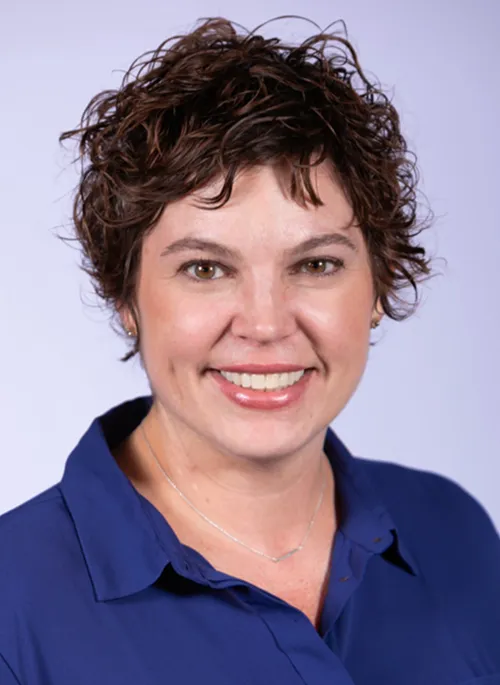
Nicole Bowman
VP Marketing and Communications at IAEE


.svg)


Nicole Bowman, MBA, CEM-AP, is the Vice President of Marketing and Communications for
IAEE. With over 20 years of experience in event and marketing management, she is responsible
for developing and managing all marketing functions of IAEE including corporate branding and
event marketing, as well as creating and executing the comprehensive strategic marketing plan
for all IAEE initiatives including chapter relations, membership, councils, events and advocacy
initiatives.
Sacha Carey
VP of Exhibits at NBAA
Sacha Carey is Vice President, Exhibits at the National Business Aviation Association (NBAA), a non-profit association representing companies that rely on general aviation aircraft to make their businesses more efficient, productive and successful. Sacha’s responsibilities include oversight of indoor and outdoor exhibition operations at NBAA’s portfolio of events. This includes NBAA-BACE, and multiple smaller Conferences and Regional Forums. Sacha is a member of the NBAA Senior Staff Team and serves as staff liaison to the Exhibitor Advisory Council.
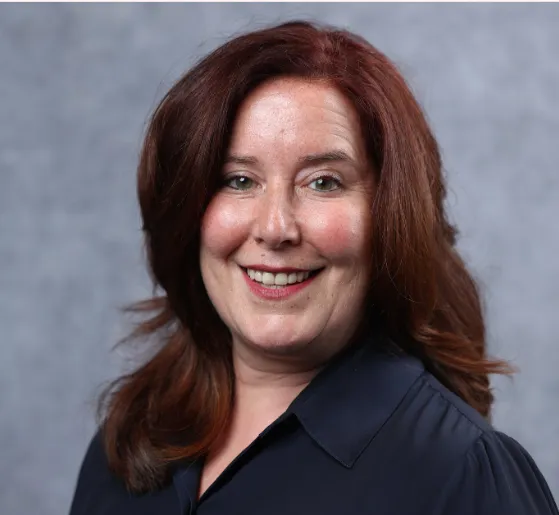
Lisa Lazzaretto
Director of Corporate Solutions at ASA
A creative management professional with a proven record of designing and implementing strategic and results-driven initiatives to generate revenue and support the organization’s mission. Over ten years of experience working with clients, donors, and internal stakeholders to increase revenue for non-profit organizations.
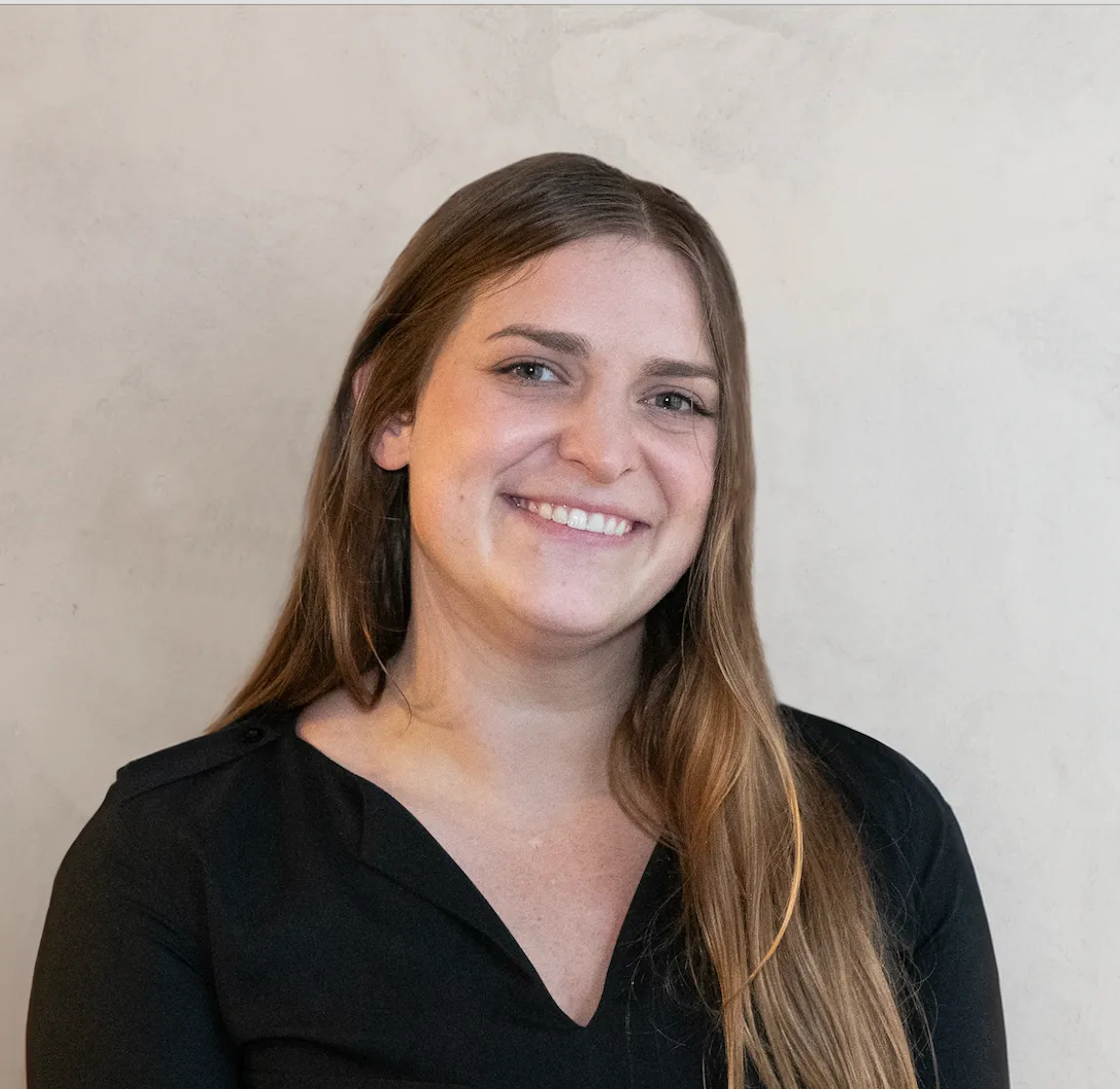
Katrina Majeske
Solution Design Expert at Swapcard
Katrina is an event professional with 5+ years of Registration Management experience. From small-scale digital events to large-scale in-person exhibitions, Katrina has managed the end-to-end logistics of how to ensure registration runs as smoothly as possible to run successful events around the globe.

Turn event engagement into revenue
Share your challenges & get actionable advice on how to improve your events and delight your attendees.


